Banisteriopsis caapi is a plant renowned for its usage in ayahuasca. It might have various other uses on its own. Continue reading to find out about just how Banisteriopsis caapi may shield against Parkinson’s disease, boost depression, and also shield the brain. Banisteriopsis caapi (B. caapi) is a plant that is used throughout the Amazonian area alone or in combination with Psychotria viridis to create ayahuasca. Ayahuasca is a hallucinogen generally used in some South American indigenous routines. Nonetheless, some witch doctors and churches in the area make use of Banisteriopsis caapi without Psychotria viridis. Banisteriopsis caapi has components that hinder MAO-An and also serotonin uptake.
The Piaroa are an ethnic group situated in southerly Venezuela that make use of Banisteriopsis caapi (known as tuhuipä or capi) for a selection of functions. Unlike other Amazonian cultures, the Piaroa do not make use of Banisteriopsis caapi to make ayahuasca. Rather, witch doctors eat the cambium, or the elbow joint of the plant, 1 to 6 hours prior to smoking cigarettes one more psychedelic plant called yuhuä or yopo. Medicine men usually utilize Banisteriopsis caapi throughout ceremonies, for both recovery and also routine purposes. When taken alone, medicine men state that Banisteriopsis caapi assists enhance people’s compassion, allowing them to provide advice in the area. It is also utilized in Piaroa culture as a: Hunger suppressant, Stimulant, Hunting help (enhancing vision). Significantly, the antidepressant result of Banisteriopsis caapi and its extensive use throughout Piaroa culture might have helped promote and also keep their social stability.
The three major alkaloids in Banisteriopsis caapi, referred to as beta-carbolines or harmala alkaloids, are tetrahydroharmine, harmaline, as well as harmine. The alkaloids are MAO inhibitors and also responsible for Banisteriopsis caapi’s potential brain enhancement, anti-oxidant, antidepressant, and also anti-Parkinson’s results. One research recognized additional alkaloids: banistenoside A, banistenoside B, and harmol. Two other energetic parts are antioxidant flavanols called proanthocyanidins: epicatechin and procyanidin B2. These are also instrumental for Banisteriopsis caapi’s MAO-B restraint.
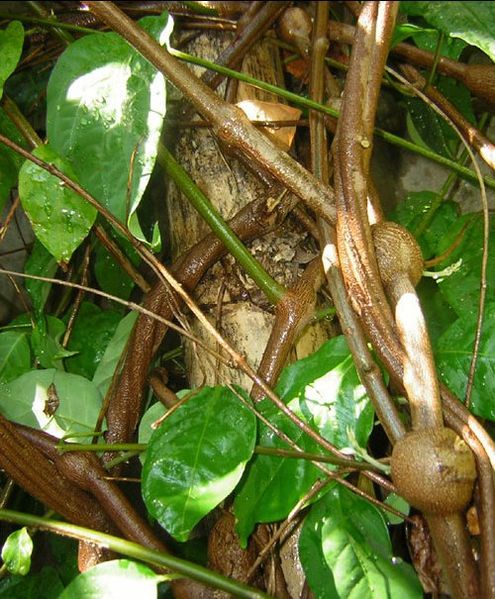
Banisteriopsis caapi can be consumed in multiple methods. The dried out bark of its big branch has the highest possible focus of banistenoside A, banistenoside B, tetrahydroharmine, epicatechin, procyanidin, and also harmine B2. Banisteriopsis caapi supplements are sold as a resin remove, material fluid, or as the creeping plant, itself. Note, nevertheless, that they are not accepted by the FDA for any conditions due to the lack of solid clinical research. Rules established production standards for supplements but do not guarantee that they’re efficient or risk-free. Talk with your physician before supplementing with Banisteriopsis caapi.
There is no official dosage due to the fact that Banisteriopsis caapi is not accepted by the FDA for any kind of problems. Individuals as well as supplement makers have actually developed informal dosages based upon trial and error. Keep in mind that the results boost with the dosage and also talk about with your doctor which dosage of this plant (if any) might aid in your situation. Because of distinctions in private feedback in addition to variability in creeping plant toughness, it is best to begin at low concentrations such as 10 g and also rise as required (as much as 100 g). Some individuals grumble concerning supplement web sites that the Banisteriopsis caapi supplements purchased did not include a dosage recommendation.
 Banisteriopsis caapi